What makes us
who we are?

Might Ramble brings people with different forms of expertise into conversation about how we think, live, and change. People who approach life in ways I haven’t considered, how they arrived there, and what their perspective might help someone else understand. The aim is to make useful knowledge accessible and build relationships that can turn shared questions into research — getting the right people in the right rooms to work on problems that need more than one kind of expertise.

Getting there means learning several crafts well. Finding people and earning their time. Reading deeply enough to get beyond the obvious questions. Interviewing, reporting, checking claims, and explaining complicated ideas clearly. Learning when to press and when to listen, and when my own assumptions need another look. These skills take years of deliberate work, and I’m committed to putting those years in.

You should be able to judge that commitment by what I make. The preparation behind a conversation, the care taken with someone’s story, the clarity of an explanation, and the follow-through when something promising emerges. As this grows, I want the work itself to give you reasons to keep coming back.

Where I hope this leads
A closer look at the logo

SUPPORT INDEPENDENT WORK

Help keep Might Ramble
independent.

If a conversation or a piece of writing has meant something to you, you can help make the next one possible. Your support creates time for research, interviews, and writing — and the freedom to follow worthwhile questions.

Support is always appreciated. It never buys editorial influence.

Why independent support matters

Might Ramble is being built toward a simple kind of independence: the ability to follow questions wherever they lead, do the work carefully, and share what I find without first having to ask whether a conclusion is convenient for an employer, institution, sponsor, or company.

That does not mean freedom from criticism, evidence, or accountability. Quite the opposite. It means having the freedom to change my mind, pursue questions that may be unfashionable or commercially inconvenient, and have conversations simply because they seem worth having.

If you find this work useful, interesting, or worth continuing, you can help me build that independence directly. Support helps create the time and resources for research, writing, travel, interviews, and production — and, over time, makes it possible for this work to answer first to the questions themselves.

ONE-TIME SUPPORT

Any amount makes a difference.

Choose your amount at checkout.

Contribute once
Prefer to contribute monthly?

Choose an amount. Monthly contributions repeat until canceled.

Manage or cancel monthly support

Secure checkout by Stripe. Card and available express payment options appear at checkout. Amounts are in US dollars.

Payments may appear as MITCHELL SUBSTACK on your statement.

THE PERSON BEHIND THE PROJECT

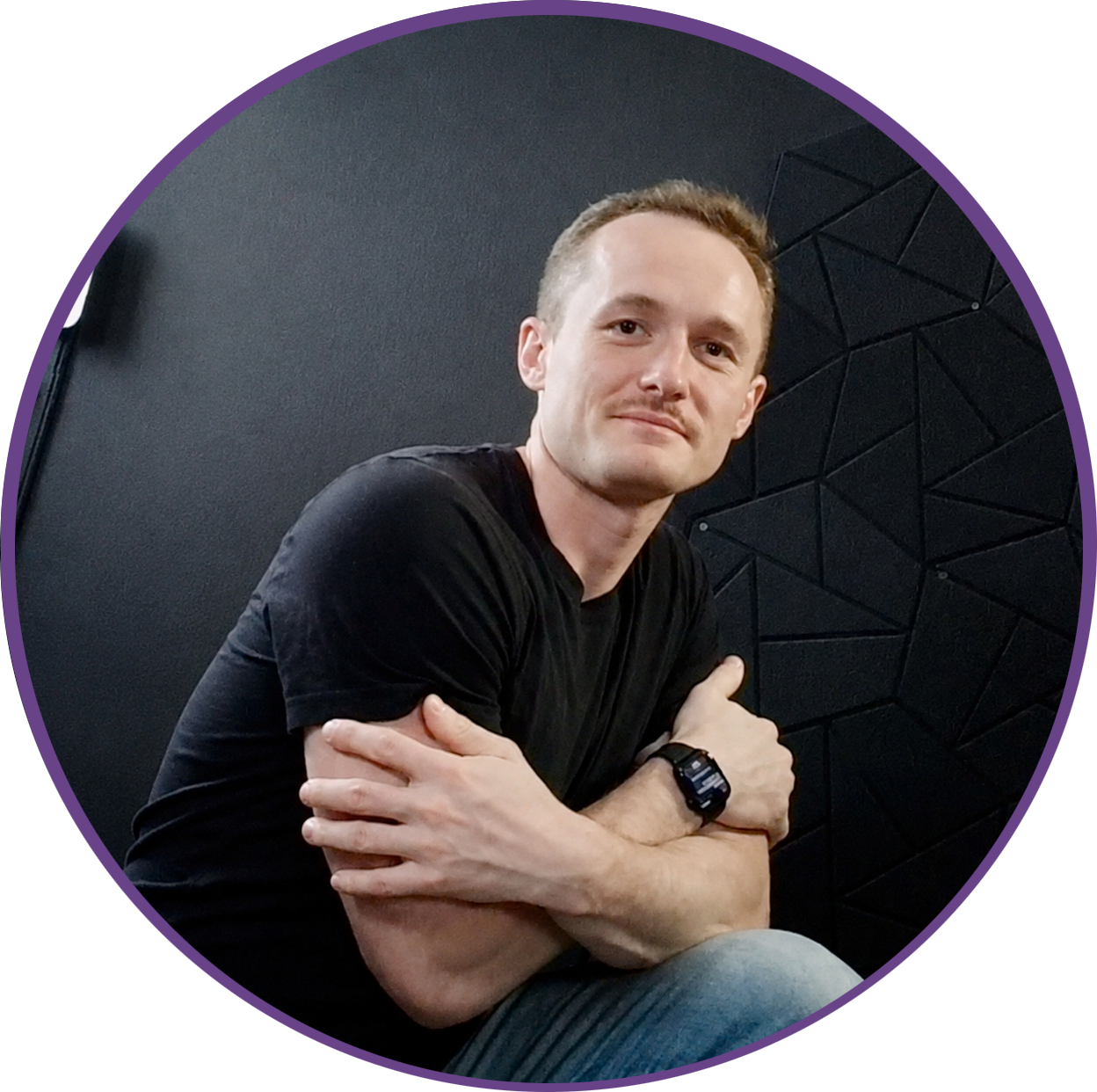
Mitchell Penningroth

Mitchell
Penningroth

Google Scholar

Scientist, writer, and host.
Building a place for people to think together.

MA in Chemistry
Brown University
B.S. Chemistry
University of Minnesota
Texas, with a star at AustinBased in
Austin, Texas

I’m 29. My formal training is in chemistry. My work and study now reach into biology and neuroscience. Addiction, recovery, PTSD, and mental illness in the lives of people I love have given those subjects a very personal weight.

I began Might Ramble in 2025 after leaving my PhD program and getting sober. My sober date is June 13, 2025. I research, schedule, and host the conversations, write the essays, and produce the episodes, animations, and artwork. I’m learning the craft as I go.

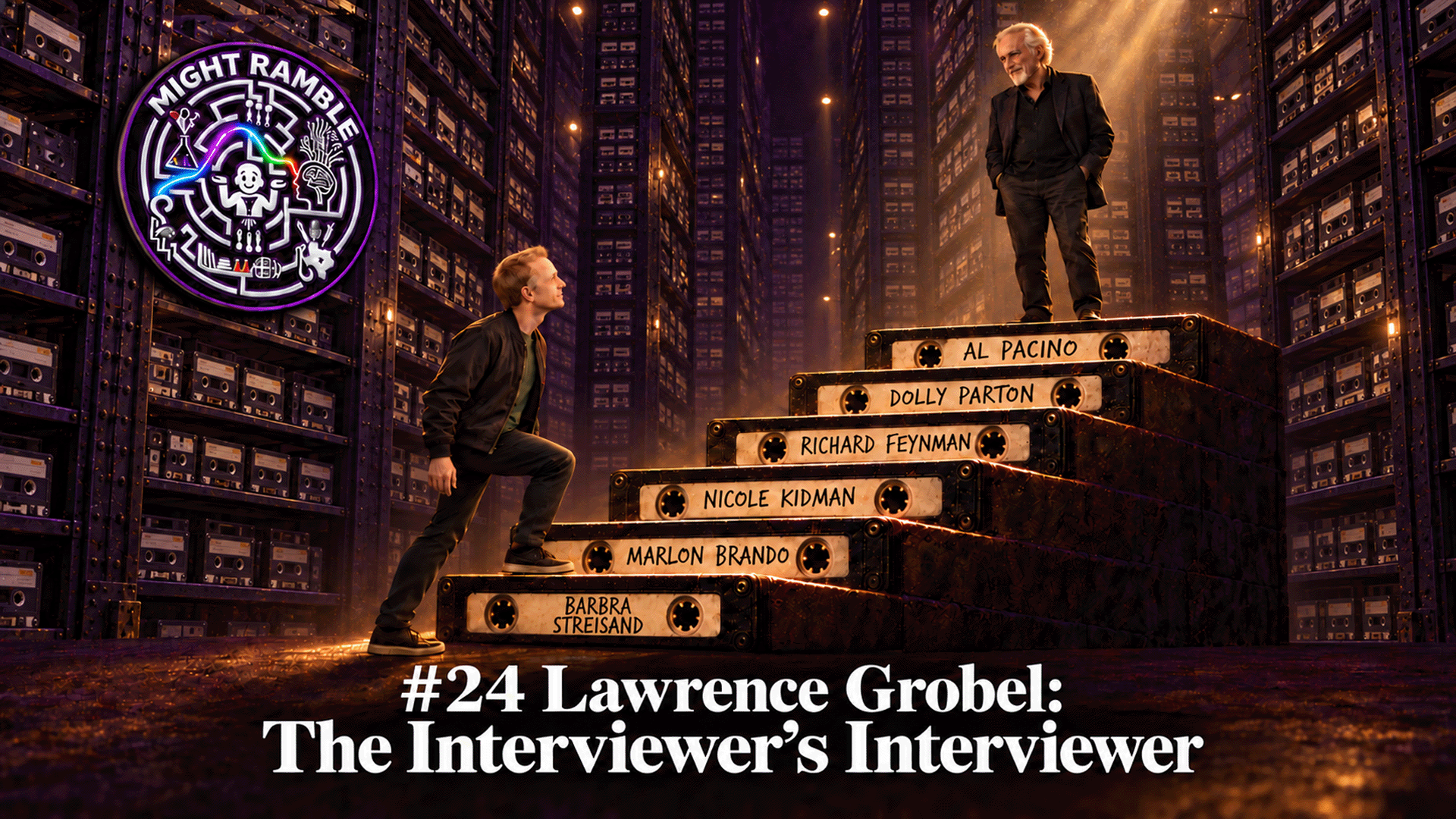
There’s a little Roy Firestone in the ambition. In The Art of the Interview, Lawrence Grobel describes the sports interviewer researching, writing, arranging access, editing, and replaying interviews to learn from them. That seriousness about the whole craft appeals to me. When the production department is largely one person, you become quite well acquainted with everyone responsible for your mistakes. I want to know each part well enough to make the next conversation better.

I want the work to help someone recognize an experience, encounter an idea they would otherwise have missed, or find a person worth thinking with. Over time, I hope some of those conversations become relationships and research.

ON THE PAGE

Words for
the hard parts.

Life gives us obstacles before it gives us a map. Hearing the hard parts of someone else’s life can help us find words for our own.

I write, in part, about what hurt, what I didn't understand, and what helped. I'm trying to offer some of the words (and company) I wish I'd had when I was younger.

Explore the writing
Dan & Me — original publication artwork

FRIENDSHIP / RECOVERY

Dan & Me

A friendship from my first semester at the University of Iowa, the secrets we were carrying, and the cost of keeping quiet. It helps explain why I write so openly now. Honest words can give someone else an opening to speak. Consider it an unusually thorough introduction.

Read the essay

FOLLOW A QUESTION

A few ways into the work.

The same question can look different
across a conversation, an essay, a life.

What makes change possible?

Biology, experience, and the choices available to us.

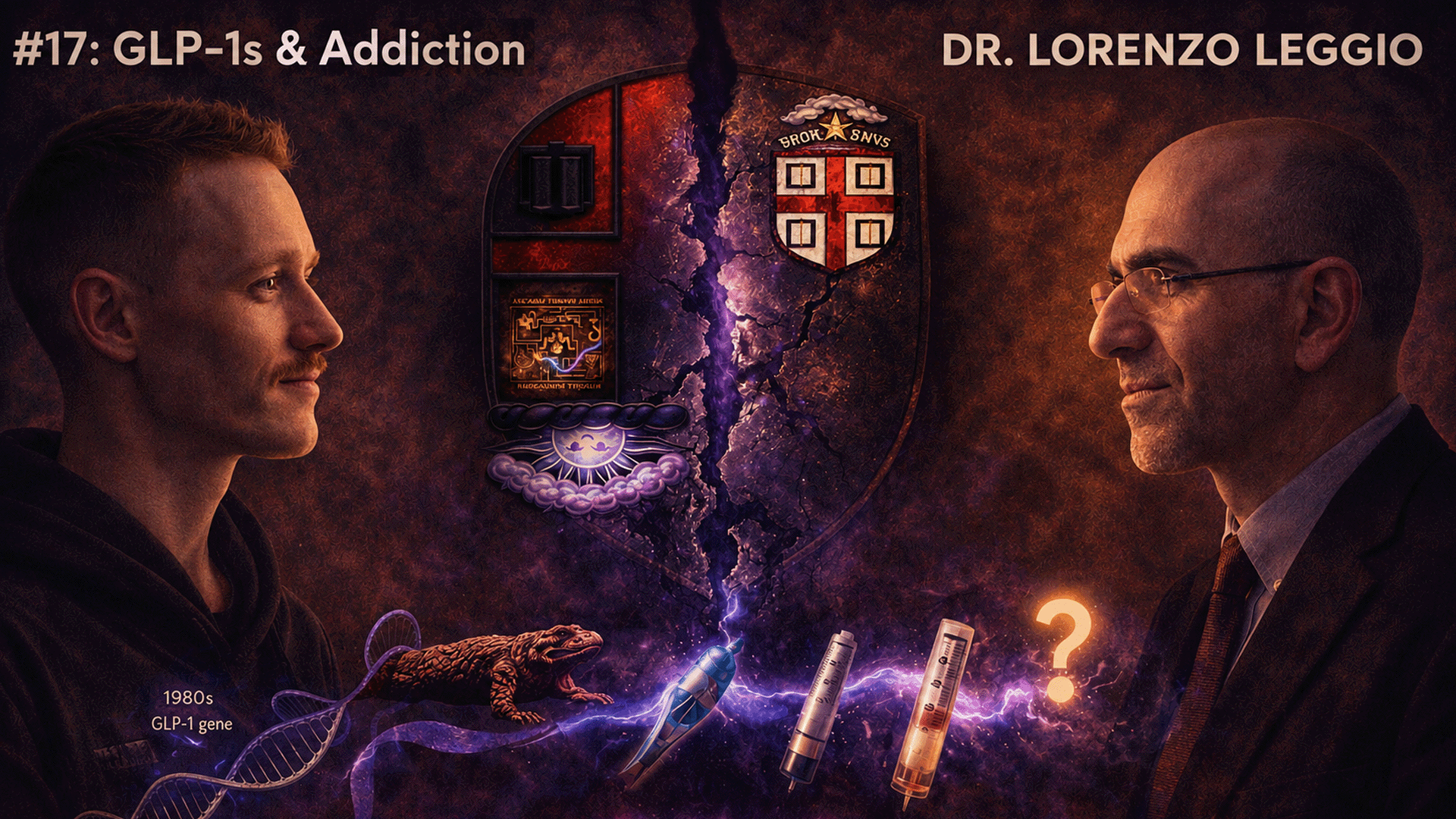
  1. GLP-1s & Addiction — original publication artwork
    Episode 17

    GLP-1s & Addiction

    Start with research on addiction, hormones, and the gut – brain relationship.

    Lorenzo Leggio, MD, PhD

    Clinical Director and Deputy Scientific Director, Intramural Research Program

    National Institute on Drug Abuse, National Institutes of Health

  2. Addiction Neuroscience — original publication artwork
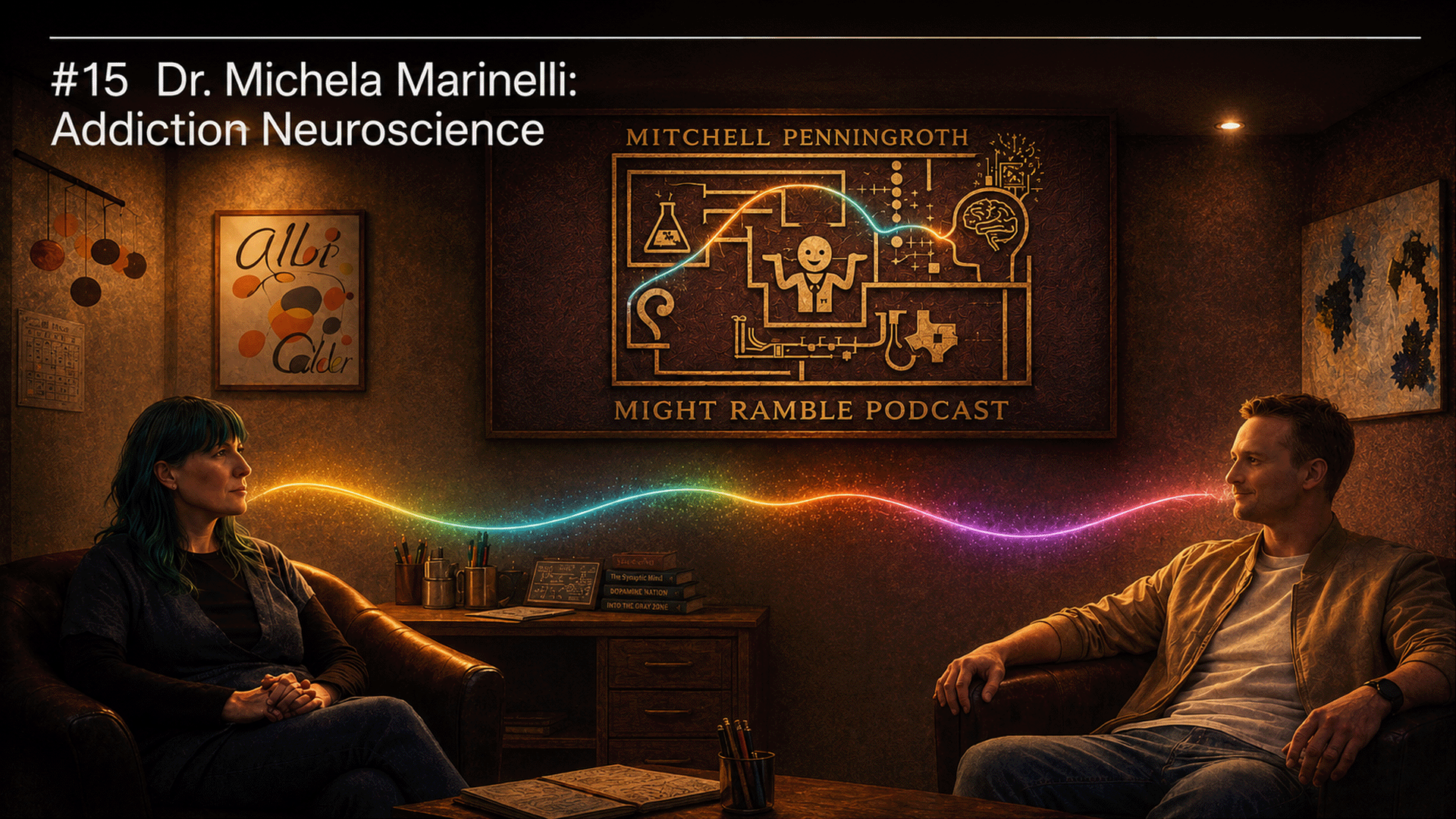
    Episode 15

    Addiction Neuroscience

    Michela Marinelli’s work on stimulant addiction meets my lived experience of it. Research and recovery become part of the same conversation.

    Michela Marinelli, PhD

    Associate Professor of Neuroscience

    The University of Texas at Austin

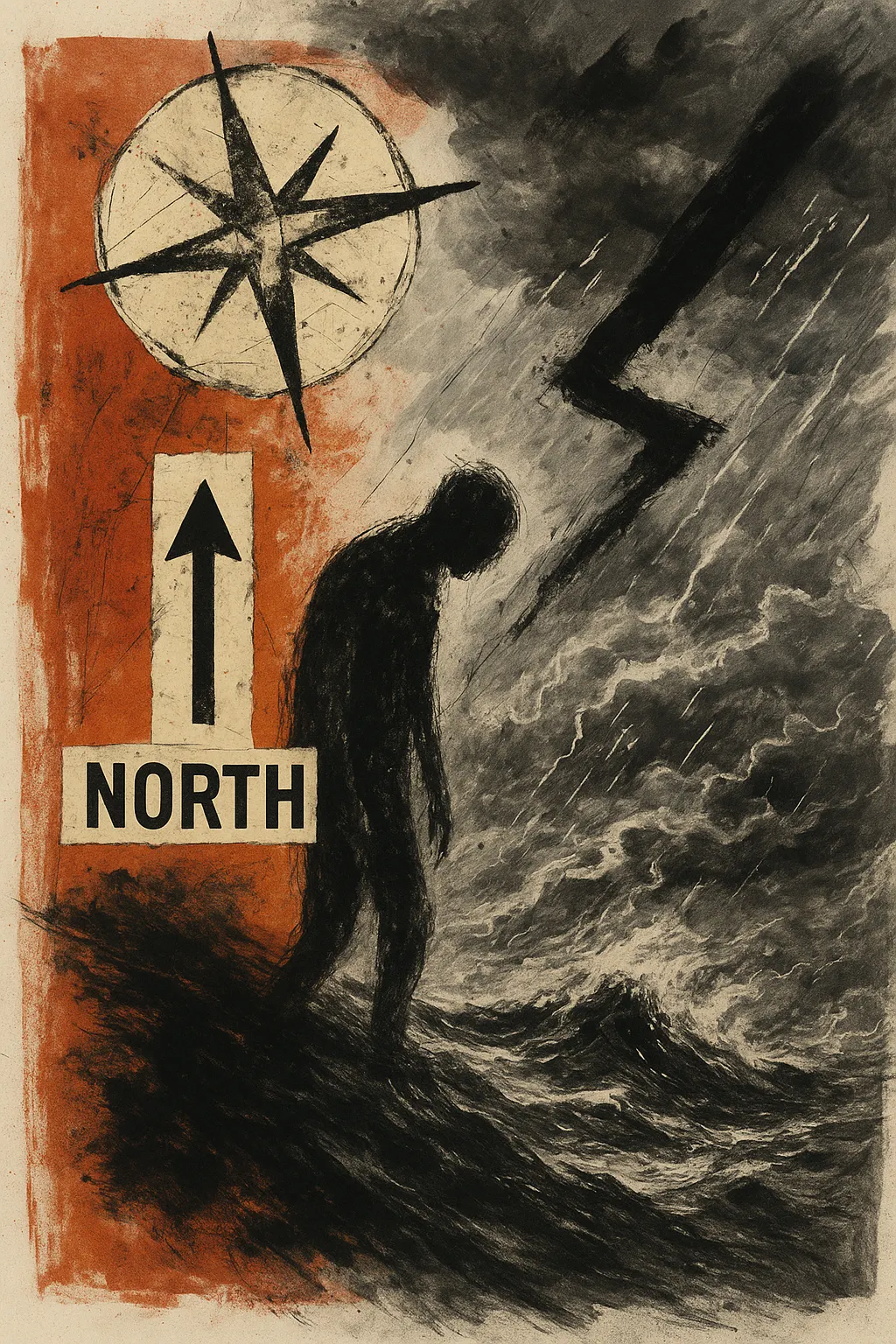
  3. On Surrender & Agency in Addiction — original publication artwork
    Essay

    On Surrender & Agency in Addiction

    Carry those questions into my own account of surrender, responsibility, and the choices available in recovery.

How do we know?

Following an idea far enough to find its limits.

  1. Essay

    On the Boundary of Knowledge

    Begin with the places where intuition stops being a reliable guide.

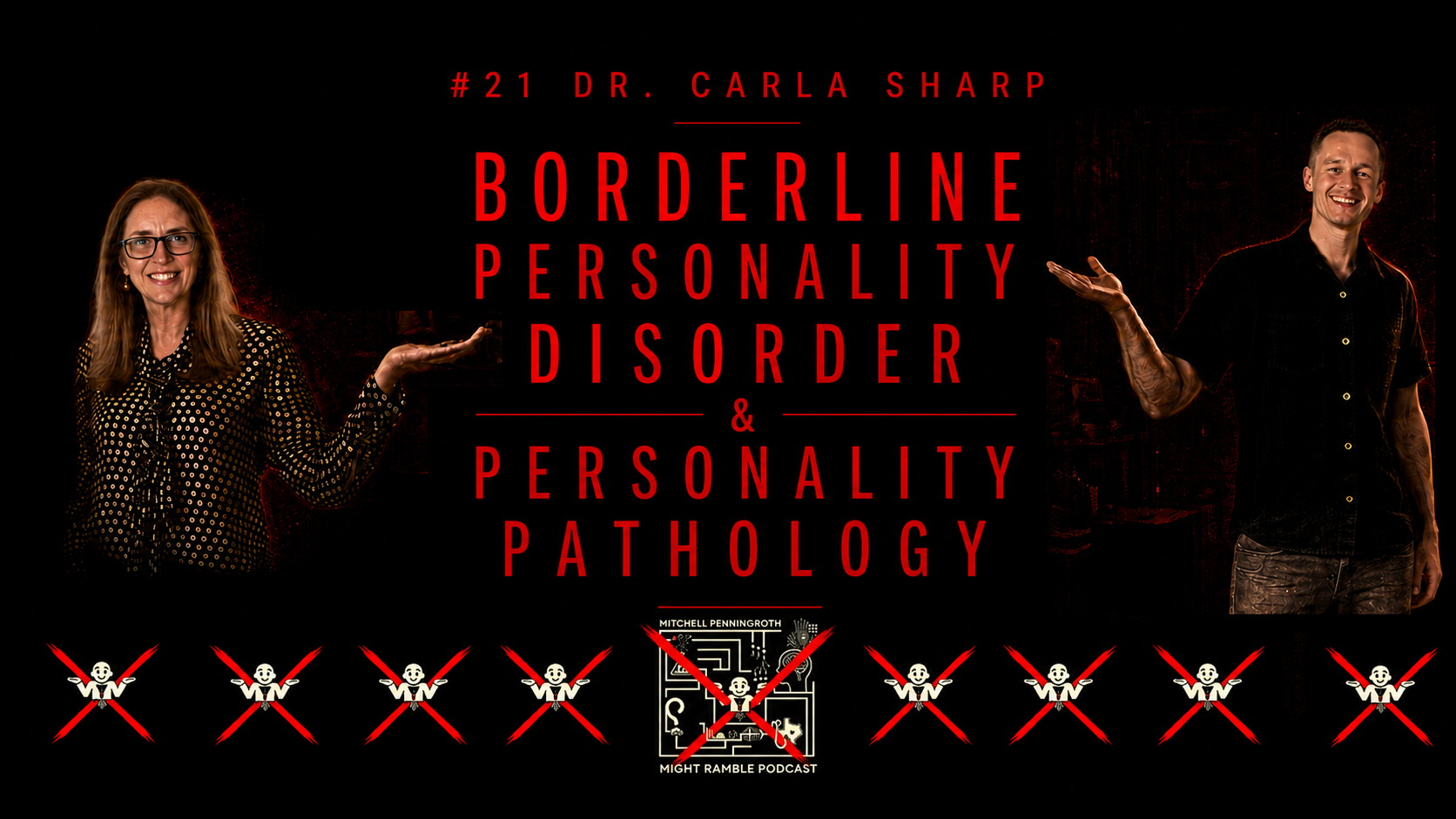
  2. Episode 20

    The Dish on Schizophrenia

    Meet a researcher investigating the biology of schizophrenia.

    Aislinn Williams, MD, PhD

    Associate Professor of Psychiatry

    University of Iowa

  3. Essay

    Metabolic Psychiatry, Part I: Coffee, Climate, & Carbohydrates

    Trace a question about food and mood into an emerging field.

How do we become ourselves?

The distance between a public identity and a whole person.

  1. Essay

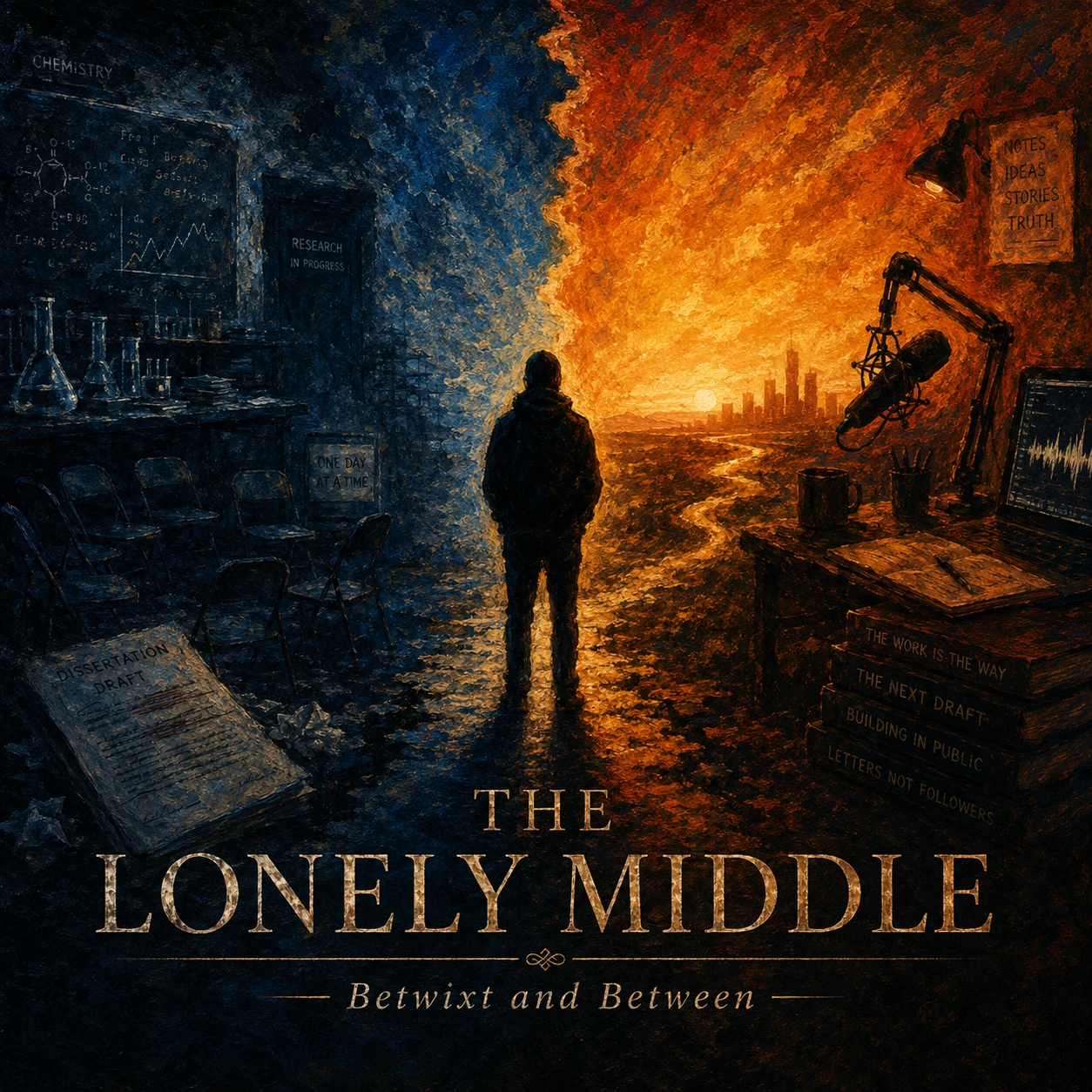
    The Lonely Middle

    Start with the uncertainty of building a life you cannot yet name.

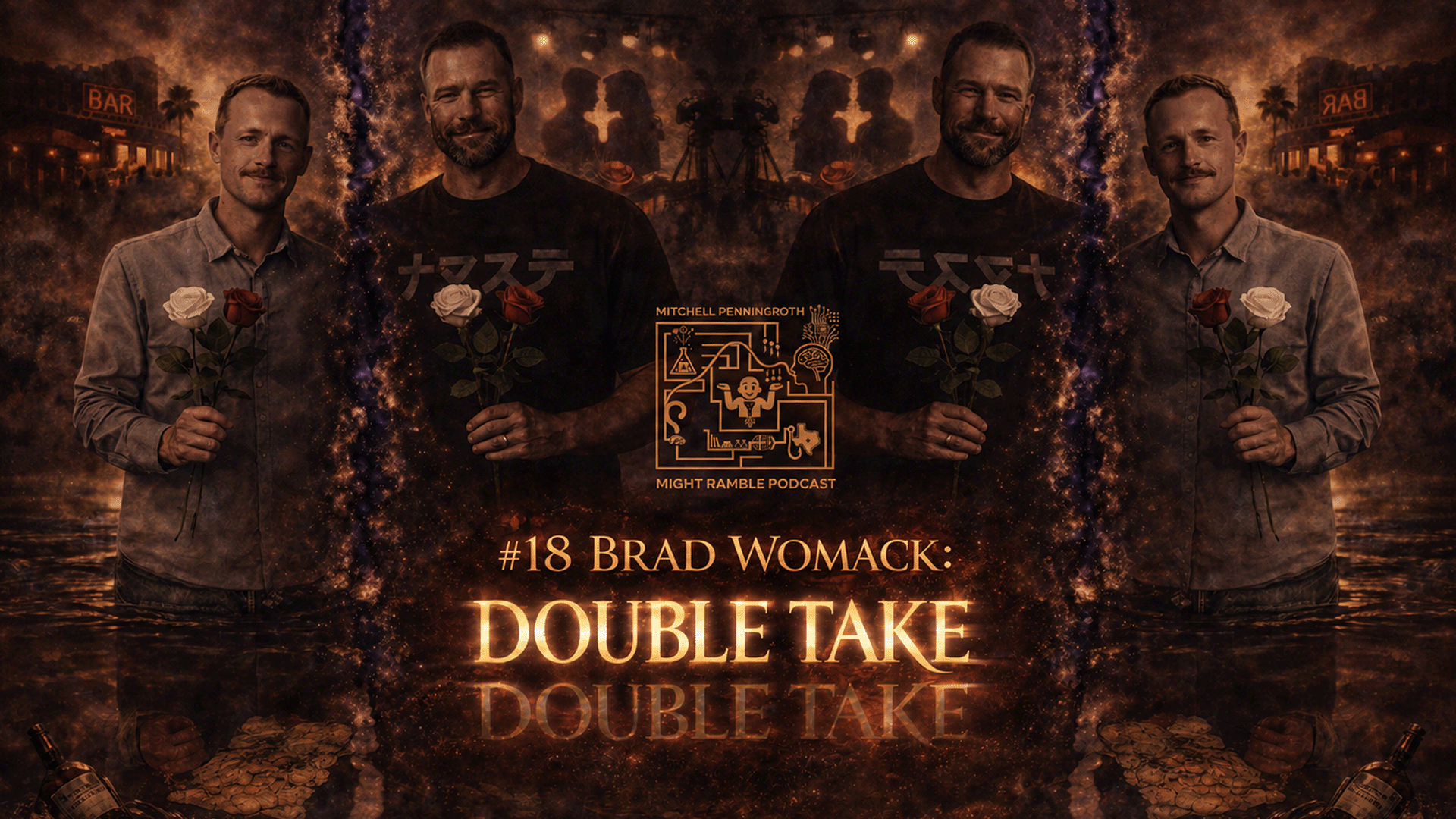
  2. Episode 18

    Double Take

    Sit down with Brad Womack, beyond the story he is known for.

  3. Behind the work

    Behind the Episode: Double Take

    Look closer at the conversation and the reflections in its artwork.

PULL UP A CHAIR

What should I
explore next?

Know someone I should talk to? Have a question you’d like me to write about or take into a conversation? Tell me what caught your attention. My reading list has survived worse than another good suggestion.

A little context helps me follow the thread. I can’t pursue every suggestion, but I’d like to hear what you think deserves a closer look.

Suggest a guestSomeone I should be thinking with.

You can also email me directly at mitchellpenningroth@gmail.com.

Suggest a topicA question worth following further.

You can also email me directly at mitchellpenningroth@gmail.com.

Hire me to writeWant me to write a profile, explore a subject, or tell the story behind your work?

You can also email me directly at mitchellpenningroth@gmail.com.

ACROSS THE TABLE

Meet the person
behind the work.

Explore the podcast

THE MIGHT RAMBLE RELAY

A conversation
across conversations.

Each guest leaves a question for the next.

How I think about the Relay

01 / ASK

A question for someone you haven’t met.

At the end of a conversation, I ask the guest to leave a question for whoever comes next. The question is meant to be asked blind, without knowing who will answer.

02 / ENCOUNTER

Someone else brings their life to it.

The next guest answers. Their work, history, and way of seeing the world give the question somewhere new to go.

03 / CONTINUE

Then they leave a question of their own.

One conversation carries into another. Over time, people who may never meet become part of a conversation together.

BEYOND THE SHOW

In the News

All news & mentions

KEEP THE CONVERSATION GOING

The next question,
in your inbox.

Opens in a new tab.